Vauxhall office removals for small businesses in Lambeth
Posted on 16/05/2026
Vauxhall Office Removals for Small Businesses in Lambeth: A Practical Local Guide
Office moves can feel deceptively simple from the outside. A few desks, some laptops, a printer, maybe a filing cabinet or two. Then the packing starts, and suddenly there are wires everywhere, somebody has misplaced the label printer, and the IT setup that looked fine on Tuesday is now a small panic by Friday. If you are planning Vauxhall office removals for small businesses in Lambeth, the goal is not just to move things from one address to another. It is to keep the business running, protect equipment, reduce disruption, and avoid that awkward Monday morning where nobody can find the broadband router.
This guide walks through the local realities of moving a small office in and around Vauxhall, why the process matters, how it works in practice, and what small businesses can do to make the move smoother. You will also find a checklist, comparison table, compliance notes, and a realistic example of how a well-planned move can play out. Truth be told, the best office removals are usually the ones that seem almost boring on the day.
For broader planning support, it can help to browse the services overview and the dedicated office removals in Lambeth page alongside this guide.
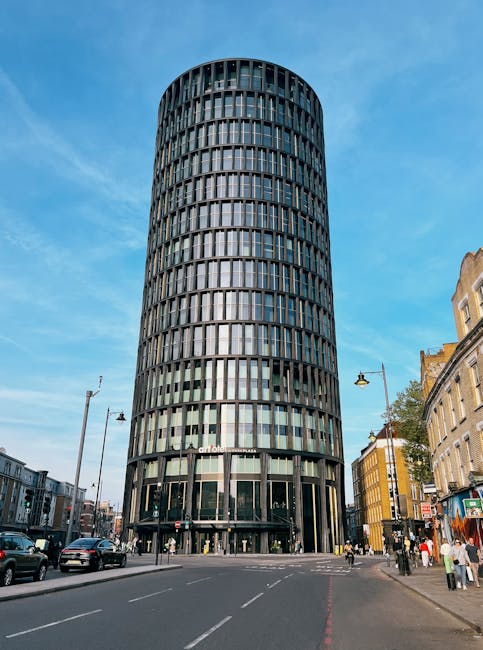
Why Vauxhall office removals for small businesses in Lambeth Matters
Vauxhall sits in a busy part of Lambeth, where offices often share the same streets, loading constraints, tight entry points, and time pressures that make urban moves feel slightly more complicated than they should. For a small business, that complexity matters because the move is rarely just about furniture. It is about continuity, cash flow, staff morale, customer service, and the simple fact that downtime can be expensive even when nobody has put a number on it.
Small businesses in Lambeth often operate with lean teams. That means the person packing the accounts team's paperwork may also be the one answering phones, booking meetings, or trying to keep the website live. A move that looks manageable on paper can become chaotic fast if access, parking, building rules, and packing responsibilities are not sorted early.
There is also the local character of the area to consider. Vauxhall has a mix of modern office spaces, converted buildings, and compact premises where lifts are narrow and stairwells are not exactly built for easy manoeuvring. If you have ever carried a box up a staircase that seems to get steeper after the second trip, you will know the feeling. It is not fun. It is not efficient. And it is exactly why small office removals need a plan, not improvisation.
For business owners who are also thinking about where they live, work, or expand in the borough, the local context is worth understanding. Pages like local thoughts on Lambeth living and Lambeth's changing landscape offer a broader sense of the area and how it keeps evolving.
How Vauxhall office removals for small businesses in Lambeth Works
A good office move follows a rhythm. It starts with a survey or a clear assessment of what is being moved, then moves into planning, packing, transport, and setup at the new address. For a small business, the exact shape of that process depends on how much kit you have, how sensitive it is, and how much time you can afford to lose.
In practical terms, the move usually looks like this:
- Initial review: List desks, chairs, storage, IT, paperwork, specialist items, and anything bulky or fragile.
- Access check: Look at stairs, lifts, parking, loading bays, door widths, and any time restrictions at both sites.
- Packing plan: Separate items by department, label boxes clearly, and identify essentials that must be available first.
- Transport plan: Match the vehicle and crew to the size of the job so the move is efficient, not overcomplicated.
- Move day: Protect floors and edges where needed, load in a sensible sequence, and keep critical items together.
- Unloading and placement: Put furniture and boxes in the right rooms so staff are not spending the whole next day hunting for essentials.
That sounds straightforward, and in good hands it can be. But the devil is in the detail. A small business office move is often won or lost in the planning stage, especially if there are laptops, monitors, locked cabinets, archived documents, or delicate items that cannot simply be chucked into the van and hoped for the best.
If the move is part of a wider transition, such as downsizing or changing from a serviced office to a more independent setup, it may also help to compare related services like removal services in Lambeth and man and van options in Lambeth. The right fit depends on the size and urgency of the move.
Key Benefits and Practical Advantages
For small businesses, the benefits of a structured office removal are not abstract. They show up in saved time, fewer mistakes, and a calmer team. And yes, calmer staff matter more than they sometimes get credit for. A stressed office move can ripple for days.
1. Less downtime
The obvious win is speed. When packing, loading, and setup are planned well, your team can get back to work sooner. That matters for businesses that rely on phones, inboxes, client calls, or scheduled appointments. Even one lost day can be a nuisance; two can become a proper headache.
2. Better protection for equipment
Small offices often have a surprising amount of fragile kit: monitors, docking stations, printers, broadband routers, speakers, label makers, archive boxes, and awkwardly shaped office accessories. A proper removal process helps protect that equipment and reduce accidental damage.
3. Less staff disruption
You do not need every team member spending an entire weekend lifting chairs and filling boxes. A move works better when people know their role. Some can label, some can back up files, some can pack personal items, and some should honestly just stay out of the way until it is their turn to unpack.
4. More efficient use of space
A move is a natural moment to declutter. Old files, unused furniture, broken equipment, tangled cables from the early 2010s - this is your chance to let go. A leaner office often becomes a more productive one. Not always, but often enough.
5. Easier local logistics
Working with a team that understands Lambeth and Vauxhall can help with timing, access, and route planning. That is especially useful where streets are busy or loading is restricted. Local knowledge is one of those things you only miss when it is absent.
Expert summary: The smoothest small business office moves in Lambeth are the ones where access, packing, and setup are treated as one project rather than three separate problems.
Who This Is For and When It Makes Sense
This kind of move is ideal for small businesses that need a practical, flexible removal solution without the cost or complexity of a huge corporate relocation. That could include a design studio, accountancy firm, estate agency, legal practice, consultancy, marketing team, small charity, or a mixed-use workspace with only a handful of desks.
It also makes sense if your current office is no longer working. Maybe the lease is ending. Maybe your team has grown. Maybe hybrid working means you need less space, but better space. Maybe the current site is simply too cramped, too noisy, or too awkward to use well. Sometimes a move is not just a relocation. It is a reset.
There are also times when a move needs to happen quickly. That might be because a building has maintenance issues, your landlord has given notice, or your business suddenly needs a different base. In those cases, a more flexible option such as same-day removals in Lambeth may be worth exploring, especially if the situation is tight and you cannot wait around.
Small businesses that keep paper records, use specialist tools, or have fitted furniture should be especially careful. The same goes for anyone moving from a flat-based office or mixed residential setup. Access can be tricky. If that sounds familiar, the advice in this Brixton local move guide is surprisingly relevant, even though the setting is slightly different.
Step-by-Step Guidance
If you want the move to feel controlled rather than chaotic, work through the process in stages. A good office move rarely happens by accident. Here is a practical approach that works for many small businesses.
Step 1: Build a full inventory
Write down everything that is going. Furniture, IT, boxes, stationery, file storage, kitchen items, plants, display materials, stock if relevant, and any awkward or unusually heavy pieces. Be honest about what is actually worth moving. Some old furniture costs more to transport than replace.
Step 2: Decide what stays, what goes, and what can be stored
Office moves are the perfect time to reduce clutter. If you are not sure whether to keep something, ask one simple question: will we use this in the next six months? If the answer is no, it may be better to recycle, donate, or place it in storage. If you need a temporary holding solution, storage in Lambeth can be a sensible bridge between offices.
Step 3: Confirm access and parking
Check where the van can stop, how far items must be carried, whether there are lift restrictions, and if the building requires advance notice. This step often gets rushed. It should not. A move can lose hours because somebody assumed the loading bay would be available. Assumed. That word causes trouble.
Step 4: Pack by function, not just by room
Keep related items together. IT items should stay with IT items. Files for the accounts team should not end up in the kitchen box. Label everything clearly, and use simple naming that a tired person at 8:30 on a Monday can still understand. Try not to overcomplicate it.
Step 5: Back up data and protect sensitive information
Before any devices are unplugged, make sure data is backed up and access credentials are known. Small offices often depend on a few key laptops and one or two people who "know where everything is." That is not a system, let's face it. Keep digital and physical information secure throughout the move.
Step 6: Move essential items first
There should be a small priority box or box set that contains chargers, router equipment, keys, basic stationery, kettle supplies, phone numbers, and any other first-day essentials. It is amazing how much calmer a move feels when someone can make tea and find the printer cable.
Step 7: Set up the new office in a workable order
Furniture goes first, then IT, then paper systems, then everything else. If the desks are in place but nobody can log in, the room may look finished but the work is not done. A little sequence goes a long way.
Expert Tips for Better Results
Most move problems are avoidable. Not all, but most. A few thoughtful choices make a real difference.
Keep the move window realistic
Small businesses often underestimate how long packing takes. If you think one afternoon will do it, build in more time. There is always that one cabinet full of old invoices, random manuals, and cables you have not seen since the broadband contract was signed.
Use colour coding for departments or zones
Colour labels can save time when multiple people are unpacking at once. Blue for IT, green for admin, yellow for client files, red for urgent items. Simple systems are usually the best systems.
Protect floors and corners if the building needs it
Older offices, newly decorated receptions, and shared buildings can all be sensitive to scuffs and marks. Good handling, careful lifting, and sensible padding reduce the risk of damage. If your new office has polished flooring or narrow turns, mention it early.
Plan the internet and utilities early
It sounds obvious, and yet it gets missed. Broadband, phones, electricity access, and alarm codes all need attention well before move day. A beautiful office without working internet is just an expensive room with chairs.
Consider moving outside peak pressure
If your business can tolerate it, off-peak moves are often smoother. Early starts or quieter days can mean less traffic, easier loading, and fewer interruptions. Even a slightly calmer street can improve the whole rhythm of the day.
For many business owners, checking pricing and quotes early helps them compare options without pressure. And if you are planning a broader workspace refit, furniture removals in Lambeth may be relevant for items that need special handling or reassembly.

Common Mistakes to Avoid
Even decent businesses make the same few mistakes during office moves. The good news is they are all fixable once you know what to watch for.
- Leaving packing too late: rushed packing leads to broken items, missing labels, and unnecessary stress.
- Forgetting about access: lifts, stairs, entry codes, and parking matter just as much as the move itself.
- Not naming a move lead: one person should own the process. Too many cooks, as they say.
- Failing to separate essentials: chargers, keys, stationery, and router equipment should not disappear into random boxes.
- Ignoring disposal: old chairs, obsolete computers, and clutter should be removed properly rather than dragged into the new office out of habit.
- Overloading staff: asking everyone to pack everything usually results in chaos and a few tired faces.
- Assuming IT will "just work": it rarely does. Always test systems at the new site before calling the move finished.
One small but common issue is sentimental clutter. Every office has at least one cupboard containing old leaflets, mystery files, and a dusty award nobody wants to throw away. Fine, keep the award. But maybe not the rest.
Tools, Resources and Recommendations
You do not need a huge toolkit to make an office move work, but a few basics are genuinely helpful.
- Strong boxes and packing tape: use proper boxes rather than supermarket leftovers.
- Labels and markers: clear labels beat scribbled notes every time.
- Protective wrap: useful for screens, fragile items, and awkward surfaces.
- Document folders or archive boxes: especially useful for files that must remain sorted.
- Basic tool kit: screwdrivers, Allen keys, and cable ties can save a lot of time.
- Inventory sheet: helps you track what moved, what stayed, and what needs follow-up.
For packing supplies and structured preparation, the pages on packing and boxes in Lambeth and package and boxes in Lambeth are useful starting points. They are especially handy if your team wants to do some of the preparation in-house but still keep things orderly.
A practical recommendation? Keep a move folder. Paper or digital, either works. Put quotes, contact details, floor plans, access notes, insurance details, and a timeline in one place. When the moving day nerves kick in, that folder becomes unexpectedly valuable.
Law, Compliance, Standards, or Best Practice
Office removals are not usually complicated from a legal perspective, but there are still important duties to keep in mind. Small businesses should think carefully about data protection, property access, insurance, and the safe handling of items during the move.
If you store client documents or personal data, you should protect that information properly during packing, transport, and unpacking. Locked containers, controlled access, and careful handling are sensible best practice. You do not need to be dramatic about it, but you do need to be organised.
From a health and safety perspective, lifting heavy or awkward items should be done with caution. Overconfidence is where people strain backs, drop monitors, and regret wearing the wrong shoes. Good handling, suitable equipment, and sensible team coordination reduce the risk.
It is also wise to understand the provider's policies before booking. If you are checking a removal company's approach to standards, its health and safety policy, insurance and safety information, and terms and conditions are all worth reviewing. Those pages help set expectations and reduce unpleasant surprises.
For small businesses that care about responsible operations, sustainability and ethical practice can matter too. Moving less unnecessary material, recycling what you no longer need, and choosing a provider that takes waste seriously are all sensible steps. The recycling and sustainability page is a useful reference for that side of the move.
Options, Methods, or Comparison Table
There is no single "best" way to move a small office. The right method depends on budget, timing, access, and how much help you want. Here is a practical comparison.
| Approach | Best for | Pros | Trade-offs |
|---|---|---|---|
| Self-managed move | Very small teams with minimal equipment | Lower upfront spend, full control | More staff time, higher risk of mistakes, tiring on the day |
| Man and van style support | Compact offices, light-to-moderate loads, local moves | Flexible, often efficient, good for short-distance relocations | May not suit specialist items or larger furniture volumes |
| Dedicated office removal service | Businesses with more furniture, IT, files, or tighter deadlines | More structured, less disruption, usually smoother coordination | Typically more involved planning, may cost more depending on scope |
| Split move with storage | Businesses between offices or downsizing gradually | Useful for staged relocations, reduces pressure | Requires extra coordination and temporary storage planning |
For some small businesses, a lighter service such as a man with a van in Lambeth is enough. For others, a more complete removal companies in Lambeth approach makes more sense because the job involves more planning and more moving parts. There is no prize for choosing the biggest option. Just choose the one that fits.
Case Study or Real-World Example
Picture a small creative agency in Vauxhall with eight staff, six desks, a handful of monitors, a filing cabinet, a printer, and a room full of samples and presentation materials. The lease on the old space is ending, and the new office is only a short distance away in Lambeth. On paper, it looks easy.
Then the practical issues appear. The old office has a narrow entrance. The new one has a lift, but it is small. The team wants to keep working until the last possible day, which means packing has to happen around client deadlines. One person has a bad habit of leaving chargers unplugged. Another has labelled boxes as "misc." which is, frankly, not ideal.
The move goes better once they do three things: appoint one coordinator, separate essentials from non-essentials, and pack by workstation. They also book the move so furniture, IT equipment, and boxes can all be handled in one organised run rather than in a series of improvised trips. The first morning in the new space is still busy, of course. It always is. But the team is able to log in, make coffee, and get back to work with only minor grumbling. That is a win.
The interesting part? The biggest improvement was not the new office itself. It was the fact that the business had to think carefully about what it actually needed. The move trimmed a lot of clutter, and the new setup felt cleaner and more efficient from day one.
Practical Checklist
Use this checklist to keep the move on track. It is simple on purpose.
- Confirm your moving date and access times
- Measure lifts, doorways, and stair access at both sites
- Book parking or loading arrangements where needed
- Appoint one internal move coordinator
- Back up all business data before packing devices
- Sort items into keep, move, store, recycle, and dispose
- Pack essential items separately and label them clearly
- Prepare IT equipment, chargers, and login details
- Check insurance and safety arrangements
- Share the move plan with staff in advance
- Test utilities and internet at the new office
- Unpack priority workstations first
- Dispose of unwanted items responsibly
Quick reminder: if you are working with fragile furniture, specialist items, or a cramped access route, plan a little more time than you think you need. Usually a good idea, that.
Get a free quote today and see how much you can save.
Conclusion
Vauxhall office removals for small businesses in Lambeth are easiest when they are treated as a structured business project rather than a one-day scramble. The aim is not only to move items safely, but to keep your team productive, protect your equipment, and make the new office usable as quickly as possible.
If you plan the access, label properly, keep essentials separate, and think honestly about what needs to move at all, the whole experience becomes much more manageable. And if you choose support that suits the size of your office, the move can feel straightforward rather than overwhelming. Not perfect, maybe. But solid, calm, and done properly.
For more about the business behind the service, you may also want to read about us before making a final decision. A little trust goes a long way when you are handing over desks, files, and the keys to a new chapter.
At the end of the day, a good office move gives you something valuable: a clean start, without the drama.