Clapham Common removals guide for narrow streets and steps
Posted on 08/05/2026
Clapham Common Removals Guide for Narrow Streets and Steps
Moving near Clapham Common can look straightforward on a map, and then reality hits: tight one-way streets, parked cars, basement flats, top-floor walk-ups, awkward landings, and that one staircase that seems to have been built by someone who really disliked sofas. If you are planning a Clapham Common removals guide for narrow streets and steps, the challenge is not just lifting boxes. It is about timing, access, traffic, parking, carrying distance, and choosing the right moving method for a very lived-in part of London.
This guide breaks the process down in plain English. You will find practical advice for narrow streets, steep steps, flat access, furniture protection, and the small decisions that make the biggest difference on moving day. Truth be told, most difficult moves are not difficult because of the amount of stuff. They are difficult because of the access. That part matters.
Whether you are moving into a period terrace, a converted flat, a maisonette above shops, or a family house tucked just off the Common, the right plan can save time, money, and a fair bit of stress. And yes, it can save your back too.
Why Clapham Common removals guide for narrow streets and steps Matters
Clapham Common is a brilliant place to live, but it is not always the easiest place to move house. Roads around the Common can be busy, parking can be limited, and many homes have access quirks that only become obvious when a wardrobe is already halfway through the hallway. Narrow streets and steps create friction at every stage of a move: loading, unloading, carrying, manoeuvring, and reversing a van into a sensible position.
That is why a local, access-aware moving plan matters. The difference between a smooth move and a chaotic one is often a few small choices made early. For example, choosing the right vehicle size, confirming where the van can stop, and checking whether the front door opens directly onto the pavement can all save real time.
There is also a practical cost angle. If a move takes longer because items have to be carried further, lifted more carefully, or split across multiple trips, the price may rise. That does not mean you should panic. It just means the move needs to be assessed properly before the day arrives.
Local knowledge helps too. Someone familiar with Lambeth streets will understand that a simple-looking address may hide a loading problem, a steep step at the entrance, or a flight of stairs that gets very narrow just where a sofa needs to turn. You do not want to discover that with the van waiting outside and rain starting up. Been there, sadly, is not where anyone wants to be.
If you are researching related moving support in the area, it can also help to look at broader removal services in Lambeth and specialist options such as flat removals in Lambeth where stairs and access are part of the job from the outset.
How Clapham Common removals guide for narrow streets and steps Works
At its core, this kind of move works by reducing friction before the van ever arrives. The more accurately you assess access, the fewer surprises you face on the day. A good plan usually starts with a walk-through of both properties, a look at the street outside, and a realistic conversation about what can be carried, what should be dismantled, and what may need extra protection.
Here is the basic logic:
- Assess the route from the property to the van, including any kerbs, steps, turns, railings, or tight landings.
- Match the vehicle to the street and load, rather than choosing a van purely by volume.
- Plan the load order so that bulky items, fragile items, and essential boxes are handled sensibly.
- Protect the property with covers, blankets, and careful handling on stairs and around corners.
- Schedule around access so you are not trying to unload during peak traffic or when neighbours have blocked the road with an emergency wait, as seems to happen in London at the worst times.
For many local moves, the most effective option is a man and van service in Lambeth because it combines flexibility with the right amount of labour for short-distance moves, stairs, and smaller properties. If you are dealing with a heavier load or full household move, a larger removal van in Lambeth may be more appropriate, provided the street can accommodate it.
The practical question is not "what van do I want?" but "what can the street and stairs actually support?" That small shift in thinking changes everything.
Key Benefits and Practical Advantages
When a move is planned properly for narrow streets and steps, the benefits show up in ways people notice immediately. Less walking back and forth. Fewer awkward lifts. Less damage risk. Less noise. Less time spent balancing a chest of drawers while pretending everything is under control.
Some of the main advantages are:
- Safer handling for heavy items such as sofas, beds, wardrobes, and white goods.
- Lower risk of damage to walls, bannisters, floors, and door frames.
- Better timing because access issues are built into the plan, not discovered halfway through.
- More accurate pricing when the job is scoped properly from the start.
- Less stress on moving day, which, to be fair, is worth a lot on its own.
There is also a hidden advantage: confidence. If you know the route has been checked, the van size is sensible, and the likely snags have been discussed, you can focus on the actual move instead of firefighting. That calm matters more than people think.
For furniture-heavy homes, it can be worth pairing the move with dedicated furniture removals in Lambeth. And if the move includes a delicate instrument or a treasured upright, then specialist piano removals in Lambeth may be the safer route. Some items are not worth improvising with. A piano, especially, is one of them.
Who This Is For and When It Makes Sense
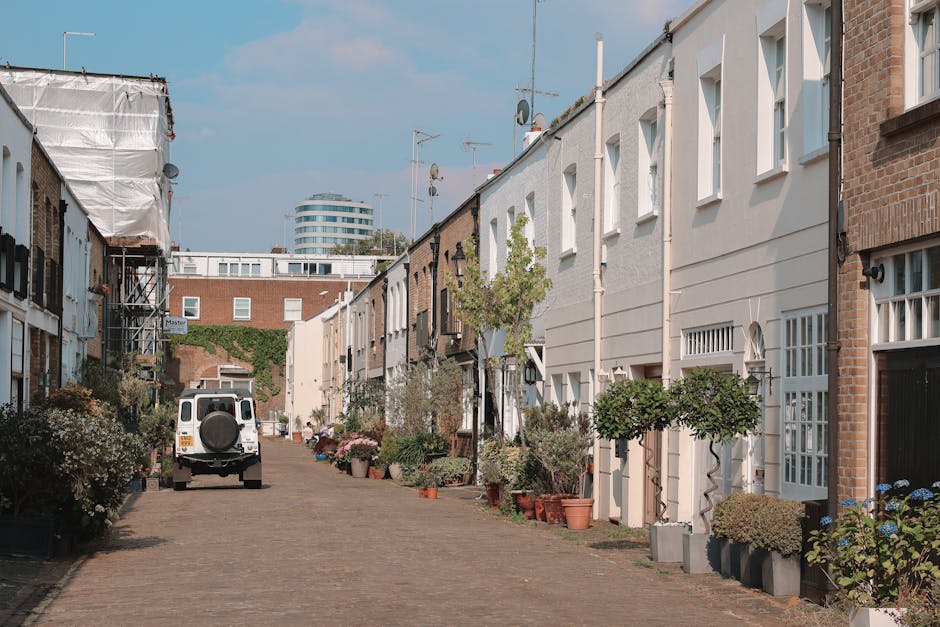
This guide is for anyone moving in or around Clapham Common where access is not generous. That includes basement flats, first-floor conversions with steep internal stairs, top-floor apartments, mews-style homes, shared houses, and family properties where the front path is narrow and the nearest parking spot is several doors away.
It is especially useful if you are:
- Moving from a flat with tight stair access
- Living on a street with limited parking or controlled loading
- Moving bulky furniture through awkward hallways
- Organising a same-day or short-notice move
- Trying to keep costs under control without cutting corners
- Coordinating a move around work, tenancy dates, or a completion day
If you are a student, a smaller van and quicker turnaround may be enough, especially for short local hops. A student removals service in Lambeth can be a good fit where budget and access both matter. If you are a landlord, homeowner, or buyer taking possession of a place with stairs and tight entry points, the planning needs to be a touch more careful.
And if the move is tied to a property purchase, it helps to think ahead early. Readers looking into moving logistics alongside home buying often find our guides on buying property in Lambeth and purchasing real estate in Lambeth useful for understanding the wider local context.
Step-by-Step Guidance
Here is a practical way to approach a Clapham Common move with narrow streets and steps. This is the bit where planning pays off. No magic, just good sequencing.
- Walk the route from front door to vehicle space. Count steps, note turns, and check whether anything overhangs, such as railings or low windowsills.
- Measure the awkward items. Sofas, mattresses, wardrobes, bed frames, and fridges are the usual troublemakers. If in doubt, measure them properly. Guessing is expensive.
- Check parking and access. Make a realistic note of where the van can stop, whether the street is narrow, and whether it may need to wait while items are carried down.
- Decide what needs dismantling. Flat-pack furniture, bed frames, and some tables are often easier to move in parts.
- Sort fragile items early. Pack mirrors, glass, lamps, and artwork separately so they are not last-minute chaos boxes.
- Label boxes by room. This is a small thing, but it saves a surprising amount of time when you are carrying boxes up or down stairs.
- Protect the property. Use floor coverings, door protection, and moving blankets if the route is tight.
- Load in the right order. Heavy and sturdy items go in first, then lighter boxes, then fragile items where they will not be crushed.
- Keep essentials separate. Documents, chargers, keys, kettle, and a few basic toiletries should not disappear into the deepest stack.
- Allow buffer time. A move in a difficult access property rarely runs exactly to the minute. A little slack helps everyone.
If you want support with the packing side, a look at packing and boxes in Lambeth can help you choose the right materials before moving day. For people who need temporary space because stair access slows the move or completion dates do not line up, storage in Lambeth can be a very practical bridge.
One more small thing: if you are moving office contents from a converted building near the Common, the same access logic applies. Narrow stairs do not care whether the item is a sofa or a filing cabinet.
Expert Tips for Better Results
A few professional habits make a big difference in tight-access moves. Nothing flashy. Just the sort of things that keep the day on track.
- Use the smallest vehicle that still fits the job. Bigger is not always better on narrow residential streets.
- Pre-clear the entrance. Remove doormats, plant pots, loose bikes, and anything else that adds one more obstacle.
- Keep stair carries clear. If possible, avoid piling boxes on landings where people need to turn or pass.
- Wrap corners and vulnerable edges. Bannisters, banisters, painted walls, and period woodwork can mark easily.
- Plan for two-person lifts where needed. Not everything should be carried solo just because it can be, technically.
- Have a backup route. If the obvious entrance is blocked, know the alternative before the van arrives.
In our experience, the best local moves feel almost boring. That is the goal. Nobody remembers the smooth move with affection, but they absolutely remember the one with the broken shelf and the van stuck behind a delivery lorry.
If your move involves access constraints across different parts of the borough, browsing a broader services overview can help you match the move to the job rather than forcing the job into a one-size-fits-all box. There is also a useful local perspective in this Brixton flat-access article, which is relevant because the access problems are often very similar.
Common Mistakes to Avoid
Most moving headaches around Clapham Common are preventable. The recurring mistakes are predictable, which is good news because predictable mistakes are easier to avoid.
- Ignoring the stairs until the day itself. By then, you are reacting instead of planning.
- Underestimating carrying distance. A van parked "nearby" can still mean a long and tiring walk.
- Choosing a van too large for the street. This can create parking, loading, and turning issues.
- Not disassembling furniture in advance. The bed frame that looked manageable suddenly becomes a stair problem.
- Packing boxes too heavy. Heavy boxes on steps are awkward and more likely to cause strain or damage.
- Forgetting building access rules. Some flats and managed blocks have specific moving windows or lift restrictions.
- Leaving protection to the last minute. Moving blankets and floor covers are much less useful when they are still in the boot under five other things.
Another mistake is treating every move as if it should happen in one single push no matter what. Sometimes the smarter move is a split load, a short storage stop, or a slightly longer timetable. That is not failure. It is just sensible.
If you need guidance on service expectations, it is worth reviewing insurance and safety as well as the company's terms and conditions. Knowing what is covered and how the job is handled removes a lot of guesswork.
Tools, Resources and Recommendations
You do not need specialist kit for every move, but the right basic tools make narrow-street removals far easier. A few well-chosen items can save a lot of hassle on stair-heavy routes.
| Tool or resource | Why it helps | Best use case |
|---|---|---|
| Furniture blankets | Protects wood, paint, and upholstery from scratches | Stairs, tight corners, van loading |
| Ratchet straps | Secures items in transit | Heavy furniture and mixed loads |
| Box cutters and labels | Speeds up unpacking and sorting | General household moves |
| Protective floor coverings | Helps prevent marks on hallways and stairs | Period homes and shared entrances |
| Trolley or sack truck | Reduces manual lifting where space allows | Short, level carry routes |
For readers comparing move types, it can also help to explore house removals in Lambeth if you are moving a full property, or office removals in Lambeth if the job involves equipment, desks, or documents that need a more structured approach.
If you are trying to keep the move efficient, think about the journey from the room to the van, not just the van itself. It sounds obvious, but this is where many problems hide. And yes, a pen and notepad still beats a rushed phone memo when you are standing at the door with boxes everywhere.
Law, Compliance, Standards and Best Practice
For domestic removals around Clapham Common, the biggest compliance issues are usually practical rather than dramatic. You are generally dealing with parking, access permissions, building rules, insurance, handling safety, and the normal expectations of professional moving work. Local councils and property managers may have specific requirements for where vehicles can stop, whether a loading bay is available, or how long a vehicle may wait. These details can vary, so it is wise to confirm them rather than assume.
Best practice in the UK removals industry usually includes:
- Clear communication about access and timing
- Safe manual handling for heavy or awkward items
- Appropriate insurance cover for the service being provided
- Respect for shared entrances, stairwells, and neighbouring properties
- Careful loading so items are not damaged in transit
If your building has management rules, lift booking requirements, or restricted move-in hours, follow those closely. They may feel inconvenient at the time, but they usually prevent bigger problems later. The same goes for waste disposal. If you are getting rid of packaging, unwanted furniture, or old household items, check the right local route and consider recycling and sustainability guidance so that disposal is handled responsibly.
From a trust perspective, good movers should be open about how they work, how they protect items, and what happens if something goes wrong. That transparency is a mark of professionalism, not a bonus feature.
Options, Methods, or Comparison Table
Not every move near Clapham Common needs the same setup. The right choice depends on property access, load size, time pressure, and how much heavy lifting is involved. Here is a simple comparison.
| Option | Best for | Pros | Limitations |
|---|---|---|---|
| Man and van | Small to medium local moves, stairs, quick access jobs | Flexible, efficient, suited to London streets | May not suit larger households or very bulky loads |
| Full removal van | Larger homes or fuller inventories | More capacity, better for complete household moves | May be harder to position on narrow streets |
| Split move with storage | Delayed completions, renovations, access delays | Flexible timing, less pressure on the day | Requires extra coordination |
| Specialist item move | Pianos, antiques, large mirrors, delicate furniture | Better protection for high-value items | Can be more specialised and slower |
For many Clapham Common properties, the first option is often enough. The beauty of a smaller, access-aware service is that it fits the street rather than fighting it. That is usually the smarter play.
Case Study or Real-World Example
Consider a typical local scenario. A couple moves from a second-floor flat near Clapham Common into a terraced house a few streets away. The old flat has a narrow staircase with a tight turn at the top, the street outside is lined with parked cars, and the new property has three front steps plus a slim hallway.
On paper, it sounds like a small move. In practice, it needs planning. The sofa is too awkward to keep assembled, so it is taken apart in advance. The bed frame is packed separately. Fragile kitchen items are boxed and labelled. The van is scheduled for a time when traffic is usually calmer, and the team checks where it can stop without blocking the road for too long.
On moving day, there are still little surprises. There usually are. A neighbour's van sits a touch too close to the curb. One landing is narrower than expected. Someone has parked right where a trolley would have been handy. But because the access plan was sensible, these issues are annoyances rather than disasters. The move gets done without damaged walls, without frantic replanning, and without anyone becoming the sort of tired that makes even tea feel like hard work.
That is the real goal. Not perfection. Just a calm, workable move.
Practical Checklist
Use this checklist the day before and on the morning of the move. It is simple, but it covers the things people most often forget.
- Confirm the moving time and access instructions
- Check where the van can park or stop safely
- Measure any awkward furniture or appliances
- Dismantle beds, tables, or shelving if needed
- Pack fragile items separately and label them clearly
- Keep essentials in one easy-to-reach bag
- Protect floors, doors, and bannisters where possible
- Clear hallways, stairs, and entrances
- Charge your phone and keep important numbers handy
- Set aside keys, documents, and any tenancy or completion paperwork
- Check whether storage might be useful if timing is tight
- Make sure pets and children are safe and out of the main route
Expert summary: the smoothest Clapham Common moves are the ones that respect the street, the stairs, and the property before the lifting starts. A bit of planning goes a long way. More than you might think.
Conclusion
Moving in Clapham Common is absolutely manageable, even with narrow streets and steps. The key is to treat access as part of the move, not an afterthought. Once you do that, the rest becomes much easier: the right vehicle, the right timing, the right packing, and the right level of help.
If you are dealing with a flat, a family home, or a short local hop, the best approach is usually the one that keeps the move simple and realistic. That may mean choosing a smaller van, dismantling furniture early, using storage for a short period, or bringing in extra help for awkward items. Small decisions, big payoff.
And if you are still in the planning stage, that is actually a good place to be. It means you can make the move work for the street instead of against it. That is the whole trick, really.
Get a free quote today and see how much you can save.
Take the time to plan it properly, and your move near the Common can feel calm, tidy, and surprisingly straightforward. Not perfect, maybe. But very doable.